Switzerland's Oversight Evolution: Tracing How Licensing Standards Shape Transaction Security and Mobile Platform Features
Rosa Schmitz · Sep 3, 2026
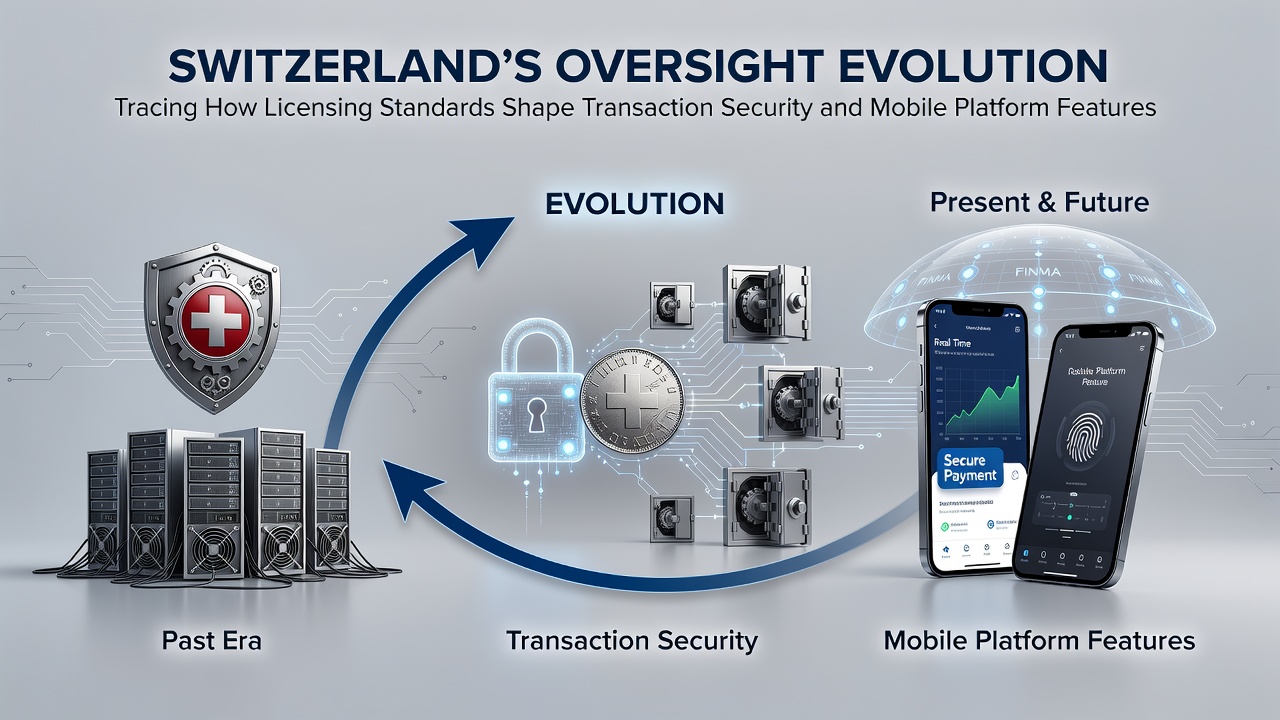
Switzerland's Oversight Evolution: Tracing How Licensing Standards Shape Transaction Security and Mobile Platform Features
Switzerland has developed a structured approach to oversight in its gambling sector through successive refinements in licensing procedures, and these changes directly influence how operators handle transaction security alongside mobile platform capabilities. teh Federal Act on Gambling, enacted in 2019, established baseline requirements that continue to evolve as authorities incorporate new technical benchmarks for data protection and user verification systems.
Historical Development of Licensing Frameworks
Early licensing in Switzerland focused primarily on physical casino operations until digital platforms gained traction in the mid-2010s, at which point regulators expanded criteria to include encryption standards and payment processing safeguards. Observers note that the shift occurred because lawmakers recognized gaps in cross-border transaction monitoring, prompting the integration of requirements aligned with international financial reporting guidelines. Data from the Swiss Federal Gaming Board shows that between 2019 and 2023 the number of licensed online operators increased steadily while compliance audits incorporated more frequent reviews of mobile application architectures.
Core Licensing Standards and Their Technical Implications
Licensing standards now mandate specific protocols for end-to-end encryption during financial transfers, multi-factor authentication for account access, and regular penetration testing of mobile interfaces. Those who manage compliance programs report that operators must submit detailed technical documentation demonstrating how their systems isolate user data across different device types, which in turn shapes the design choices available for mobile applications. Research indicates that these rules have prompted platforms to adopt standardized APIs that facilitate secure real-time verification while maintaining compatibility with Swiss banking networks.
Additional clauses within the licensing process address age verification mechanisms and responsible gaming tools that must function identically on both desktop and mobile versions. This uniformity requirement means developers allocate significant resources to ensure mobile platforms meet the same security thresholds as their web counterparts, resulting in features such as biometric login options paired with transaction limits that adjust dynamically based on user activity patterns.
Transaction Security Under Current Licensing Rules
Transaction security receives particular attention during the licensing evaluation because regulators require evidence of segregated accounts for player funds and independent audits of payment gateways. Figures reveal that licensed entities must maintain logs of all financial movements for a minimum of five years, with provisions for immediate access by oversight bodies during investigations. The process encourages operators to implement tokenization methods that replace sensitive card details with unique identifiers, thereby reducing exposure risks during mobile transactions.
What's interesting is how these standards intersect with broader European data protection regulations, creating a layered compliance environment where Swiss licenses incorporate elements from both national and EU-derived frameworks. One study revealed that platforms meeting Swiss licensing criteria often exceed baseline security levels in other jurisdictions because the approval process includes scenario-based testing of fraud detection algorithms under simulated mobile network conditions.

Mobile Platform Features Shaped by Licensing Requirements
Mobile platform features evolve in direct response to licensing conditions that emphasize accessibility without compromising security protocols. Operators must ensure that applications support secure push notifications for transaction confirmations and maintain session controls that automatically terminate after periods of inactivity. Experts have observed that these constraints have accelerated the adoption of progressive web app technologies, allowing seamless updates to security patches across iOS and Android environments without requiring full re-approval cycles from app stores.
Additional stipulations cover geolocation verification and device fingerprinting, which help confirm that users remain within permitted jurisdictions during play sessions. Those who've studied implementation patterns note that licensed platforms frequently integrate these features through modular codebases, enabling rapid adjustments when regulators introduce new guidelines ahead of September 2026 deadlines for enhanced digital identity verification.
Upcoming Adjustments Scheduled for September 2026
Preparations for September 2026 involve expanded requirements for artificial intelligence-assisted monitoring of transaction patterns on mobile devices, alongside mandatory support for decentralized identity solutions. According to information released by the Swiss Federal Office of Justice, these measures aim to strengthen existing safeguards while accommodating emerging technologies such as secure element chips in smartphones. Industry reports from the European Gaming and Betting Association highlight how similar forward-looking standards in other regions have influenced Swiss planning, creating opportunities for cross-jurisdictional learning without direct harmonization.
Conclusion
Switzerland's oversight evolution demonstrates a consistent pattern where licensing standards serve as the primary mechanism for elevating transaction security and defining acceptable mobile platform capabilities. The framework continues to adapt through measured updates that balance innovation with regulatory oversight, and preparations for September 2026 underscore ongoing attention to technological developments in digital identity and fraud prevention. Observers note that this approach maintains Switzerland's position within the international regulatory landscape by prioritizing verifiable compliance over rapid expansion.